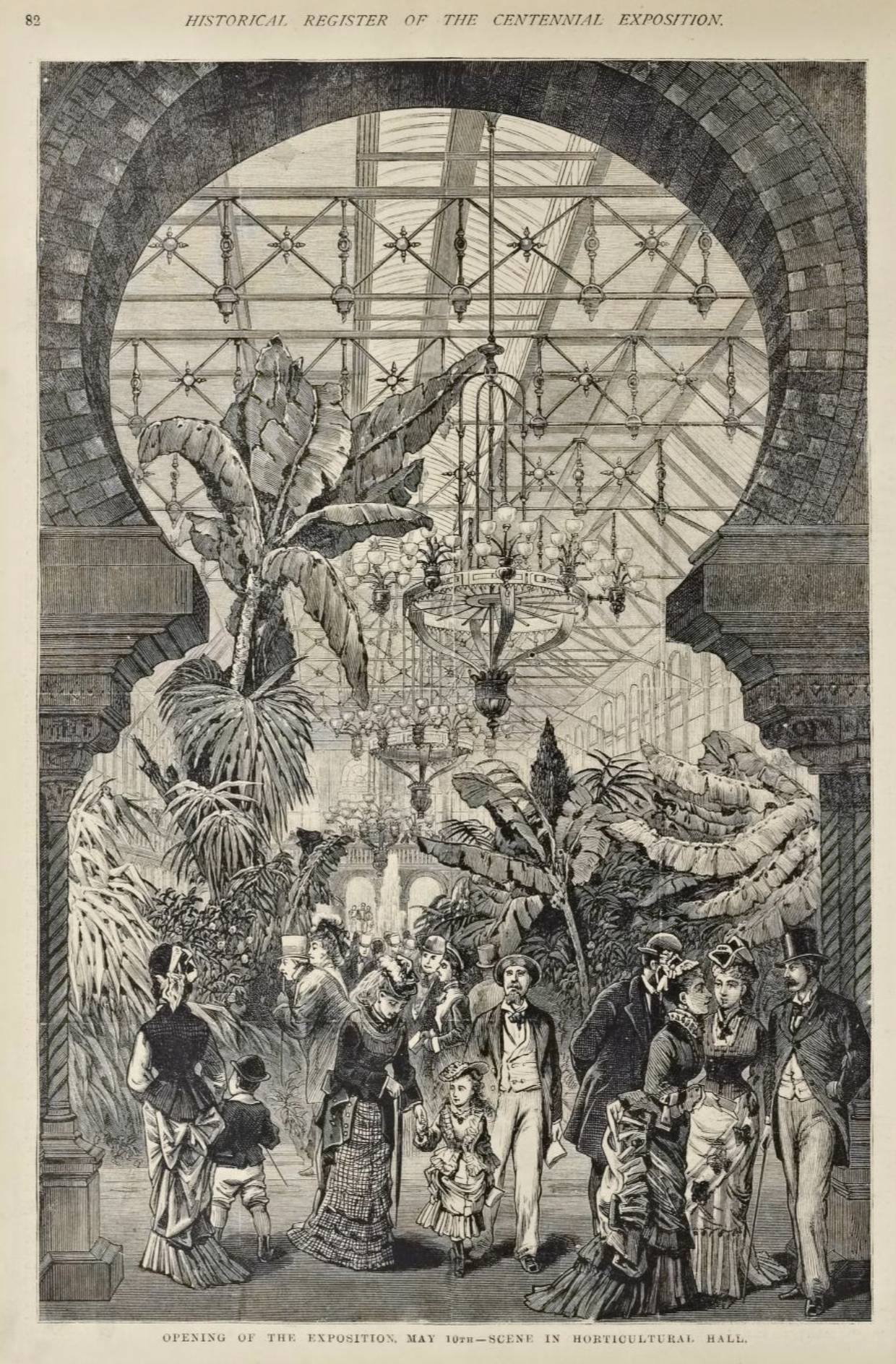
Above: an illustration of the interior of the fairground's Horticultural Hall from Frank Leslie's Historical Register of the Centennial Exhibition. 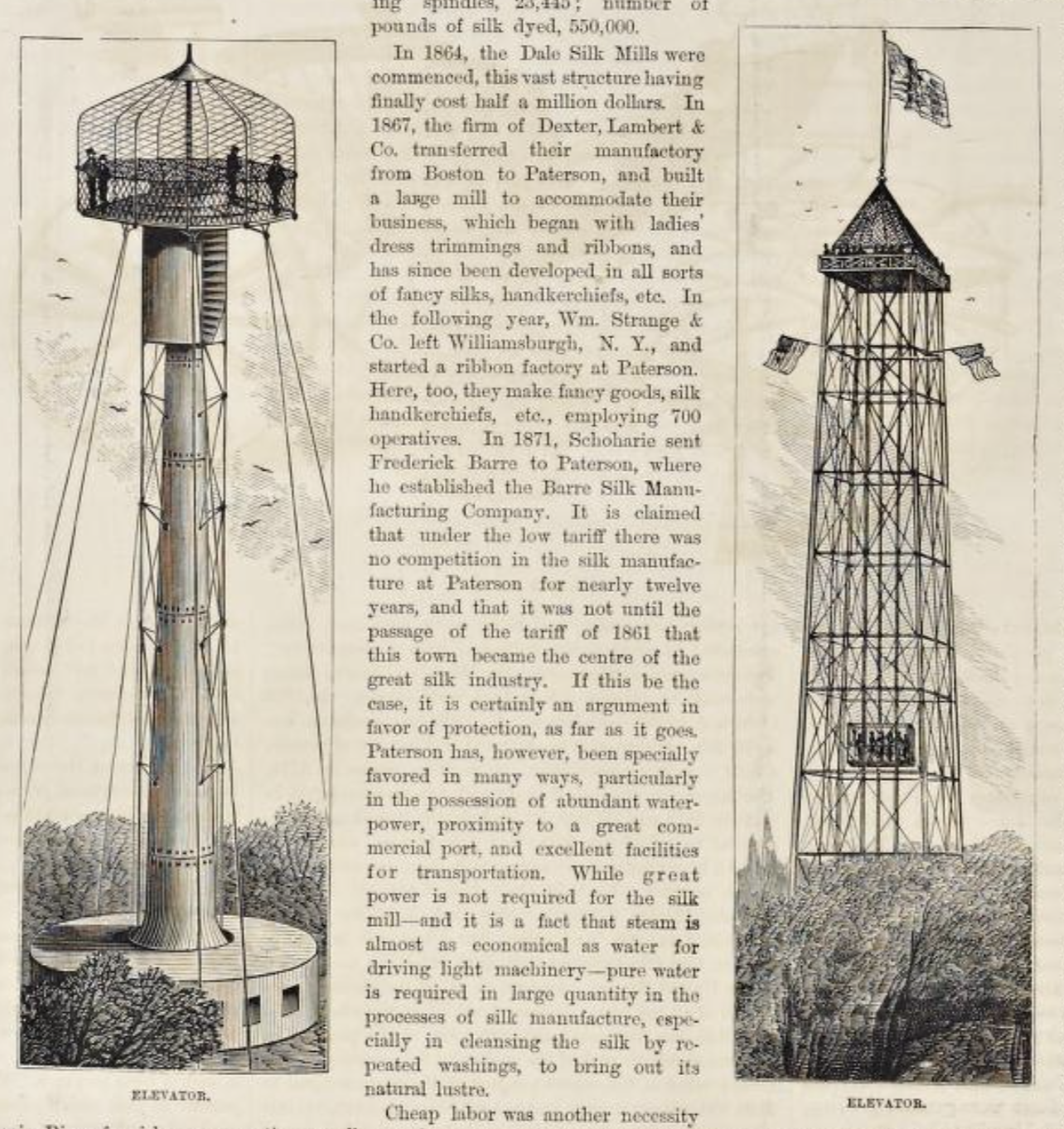
Above: the observation towers set up for people to gaze at the park from on high.
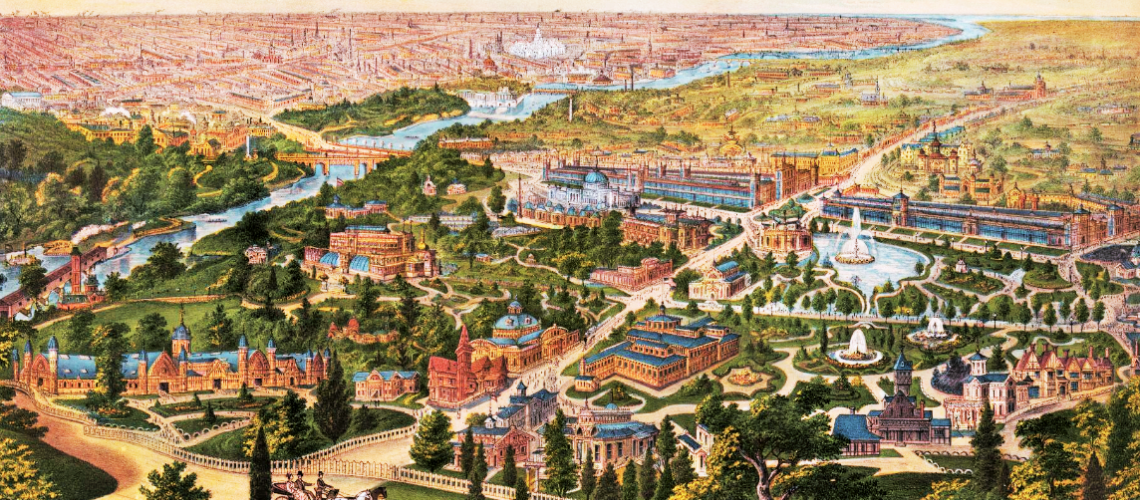
Below: Two 'bird's eye views" of the official fairgrounds, showing the city of Philadelphia in the distance.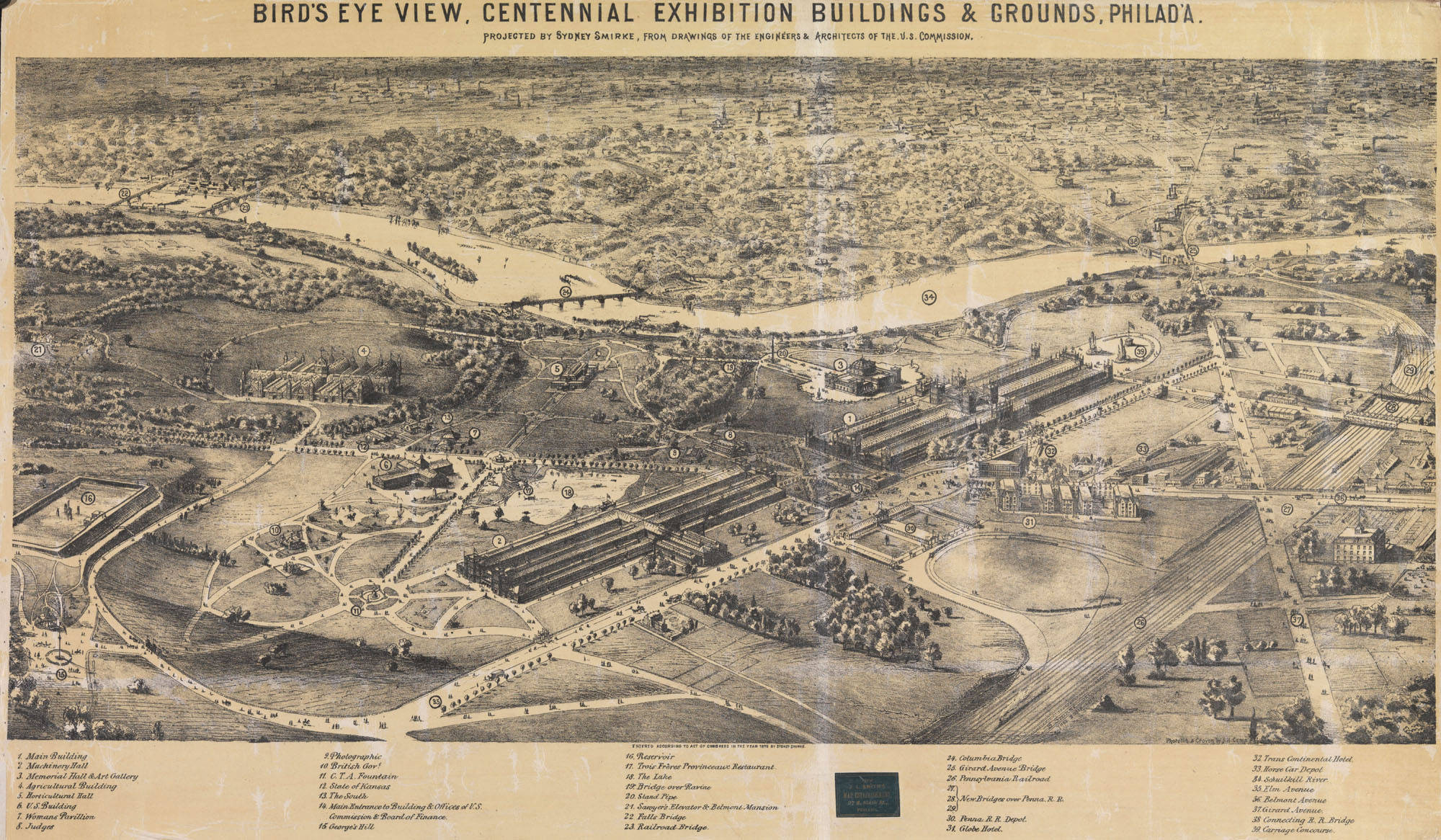
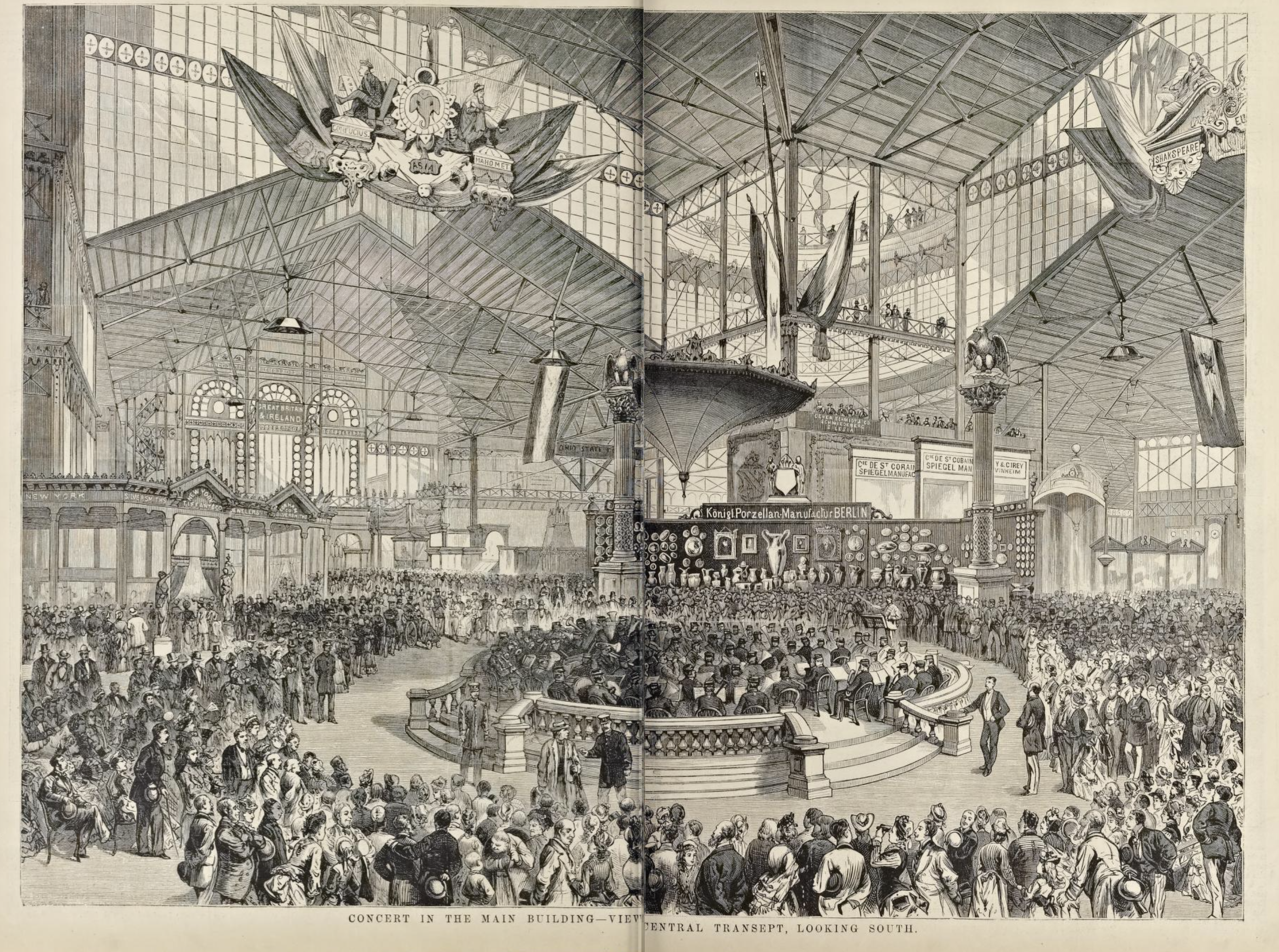
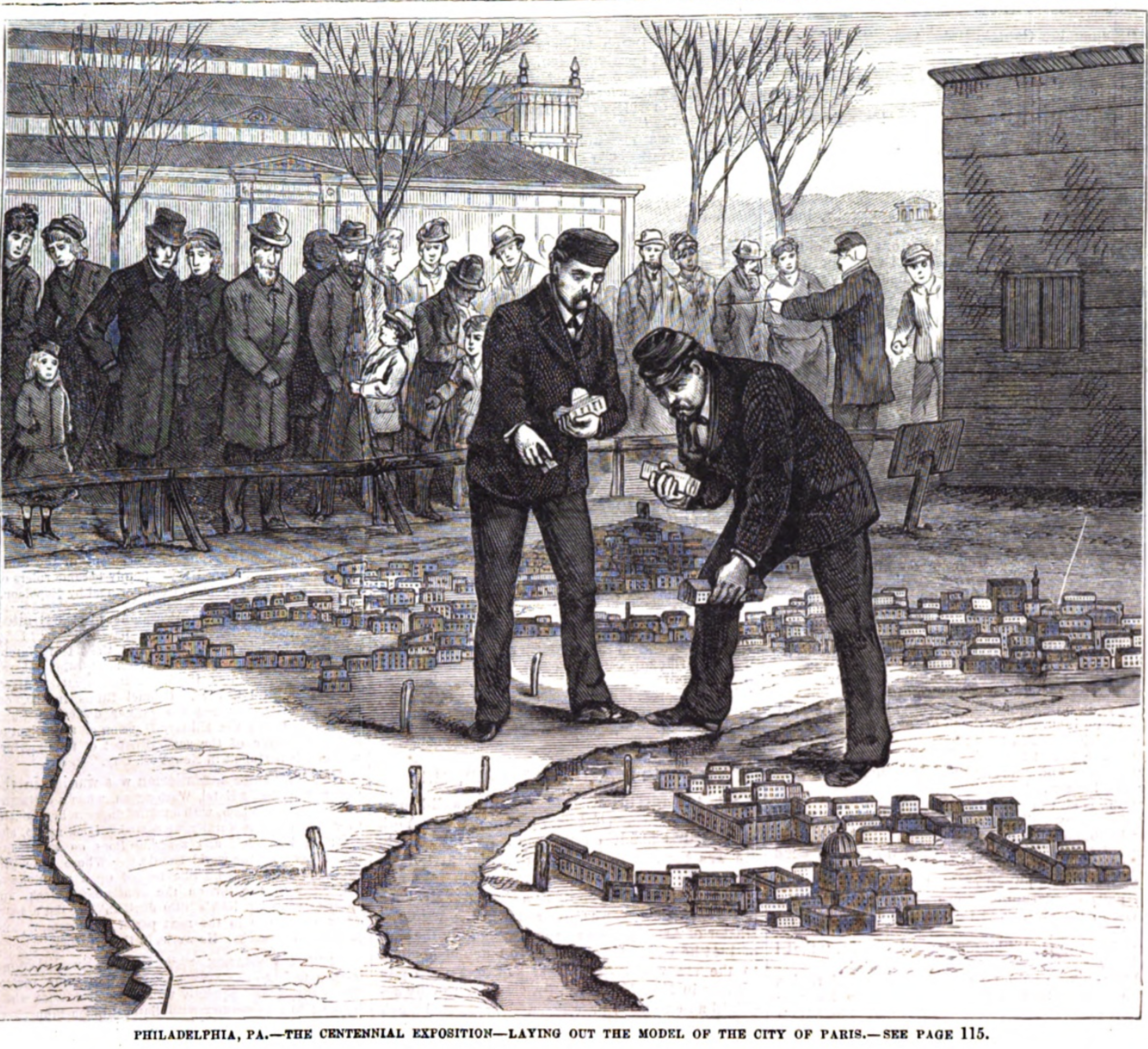
Above, a concert in the Main Hall. Below, French workers lay out a model landscape of the city of Paris.
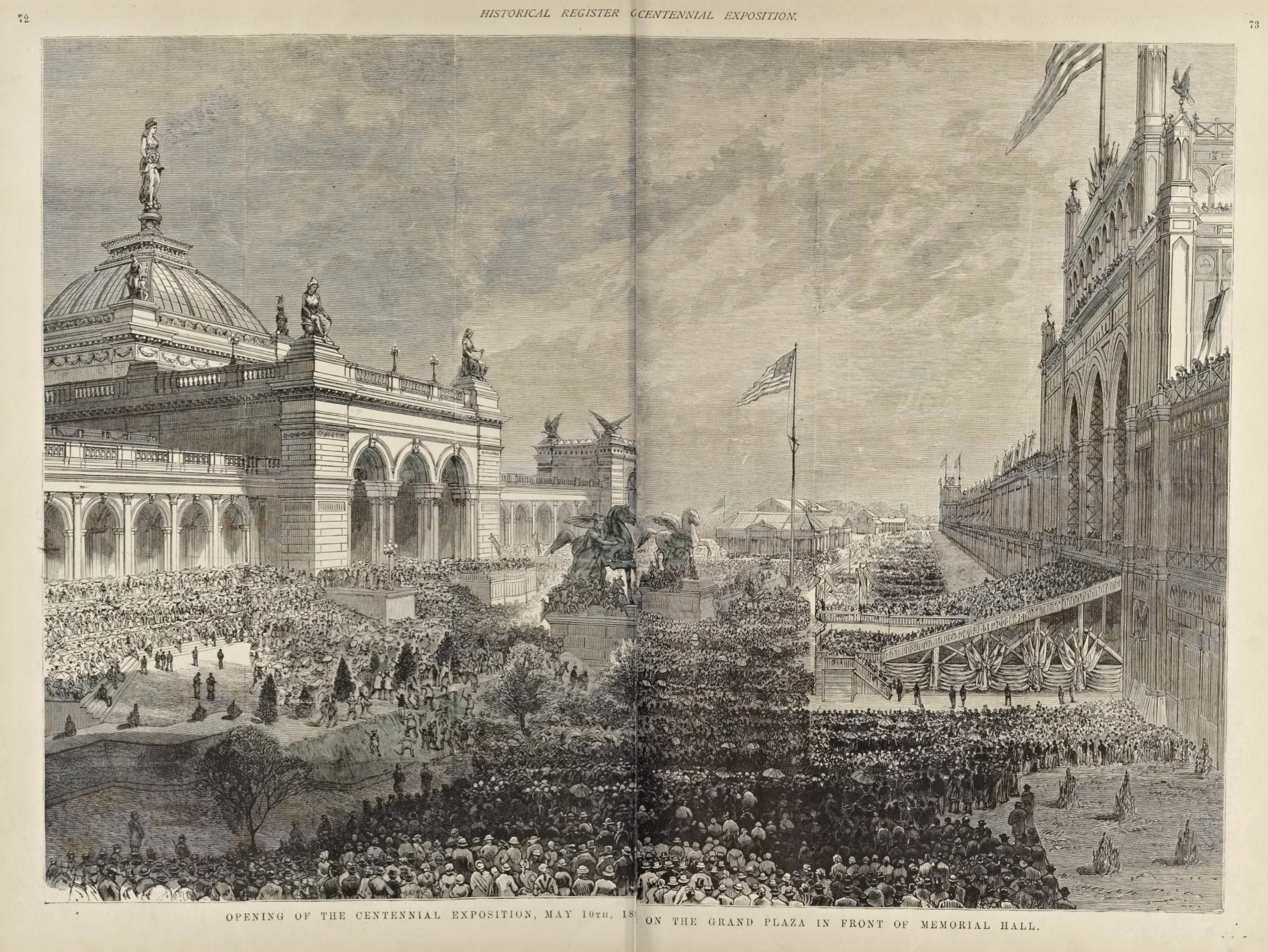
Above: The Opening Day ceremonies at the Centennial. May 10, 1876.
Below: the July 4th 1876 celebration at the former "Pennsylvania State House" - which was then the Philadelphia City Hall. Only later would it be renamed "Independence Hall."
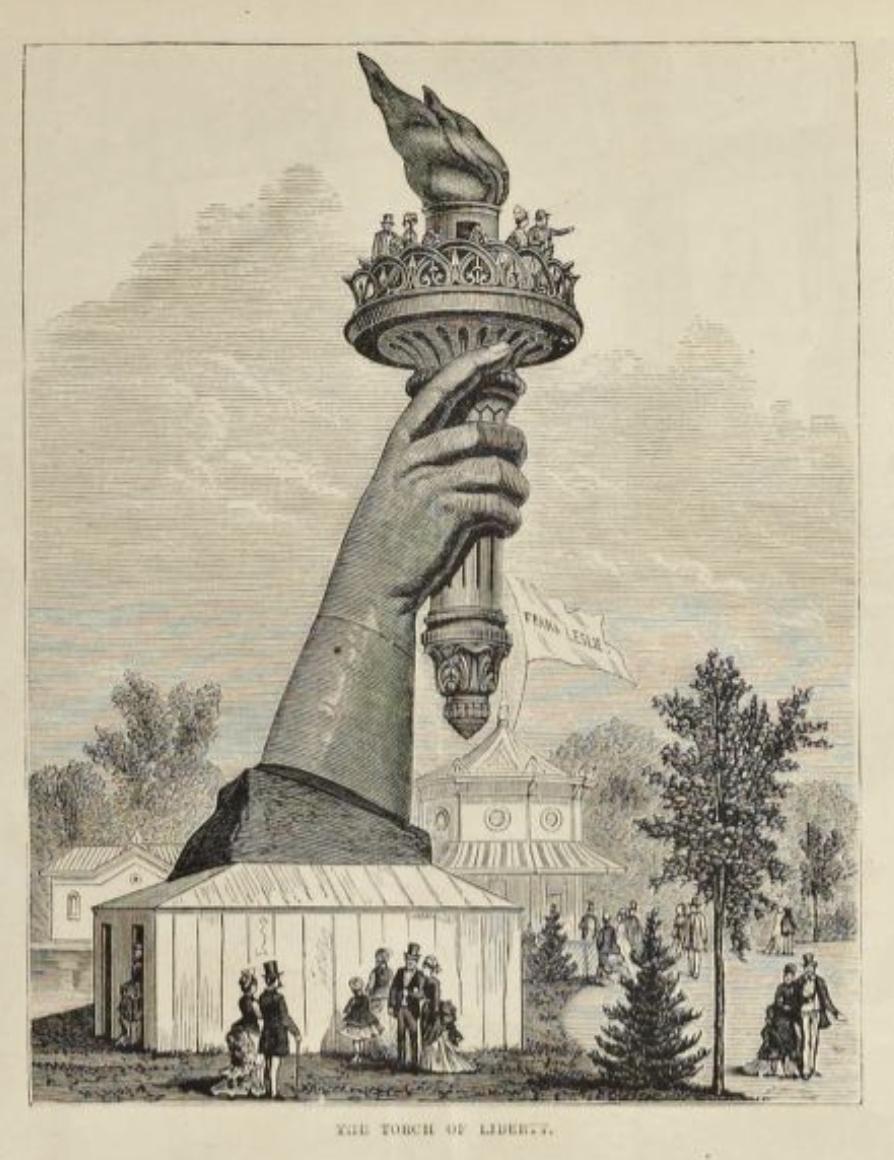
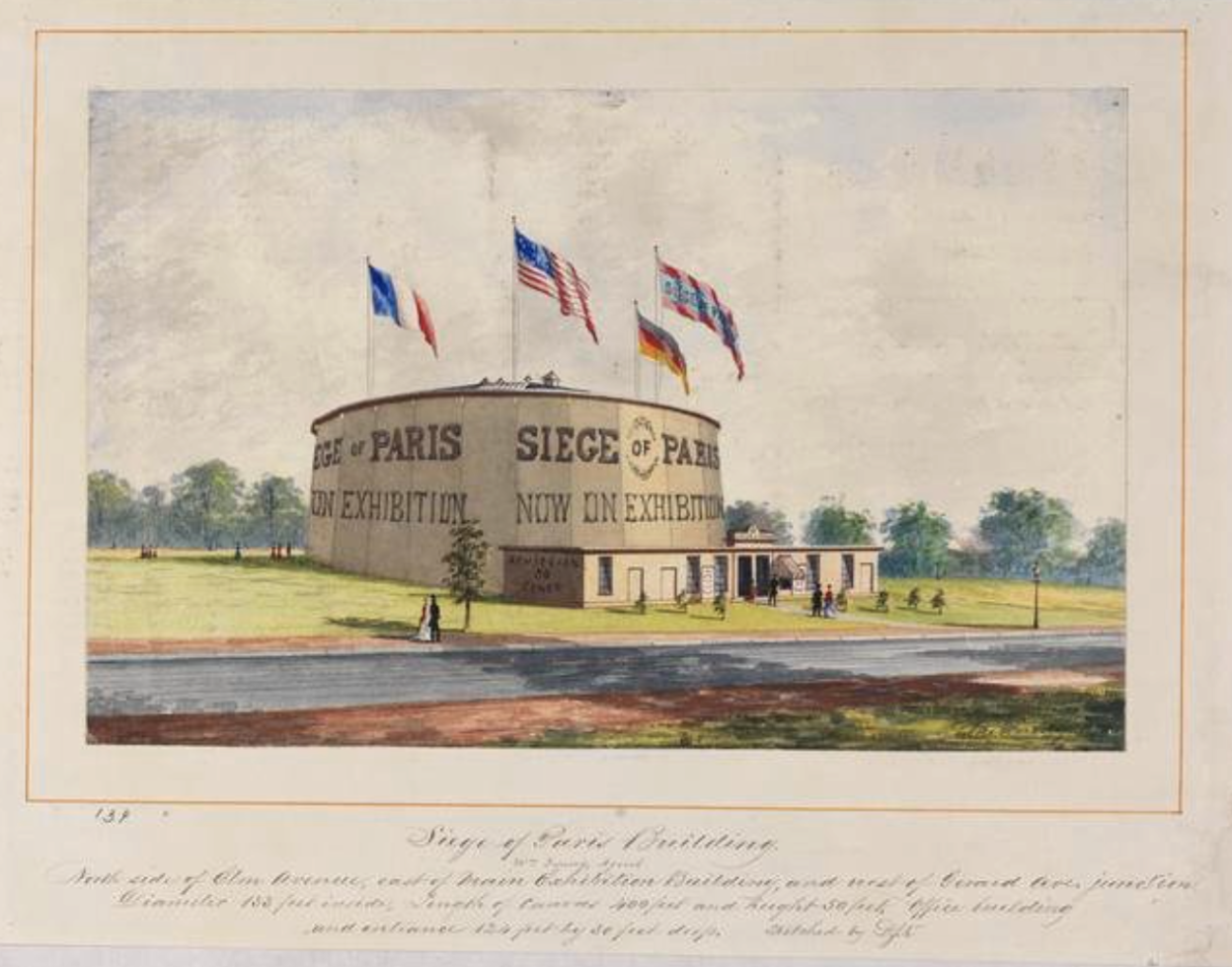
Above, the Torch of Lady Liberty, on display at the Exposition - and an illustration of the "Siege of Paris" structure.
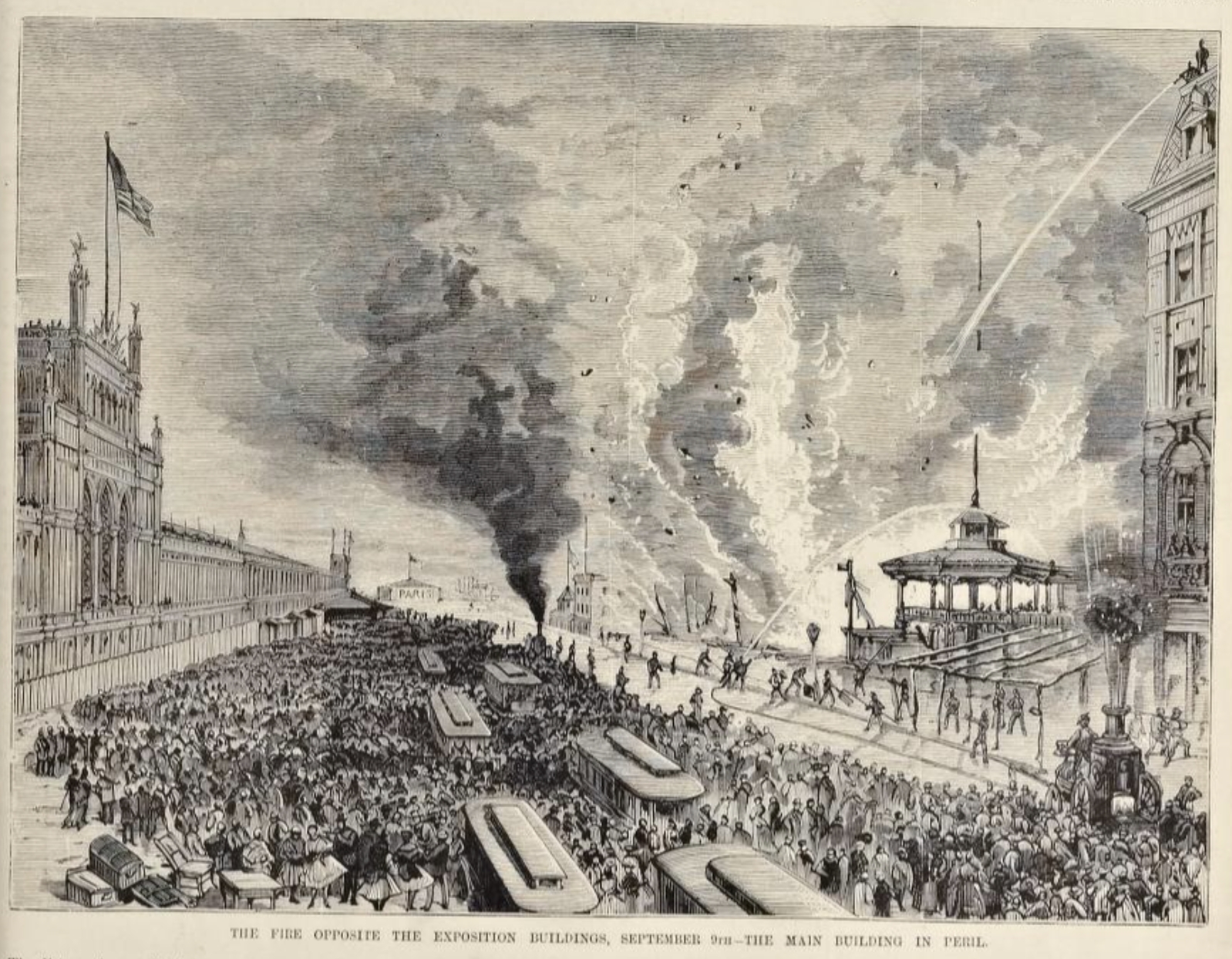
Below, the September fire that destroyed Shantytown. Note the cylindrical "Siege of Paris" building was not part of the conflagration.
Horticultural Hall on the Fairgrounds - not to be confused with the OTHER 'Horticultural Hall' in central Philadelphia. Note the 'Moorish' design elements.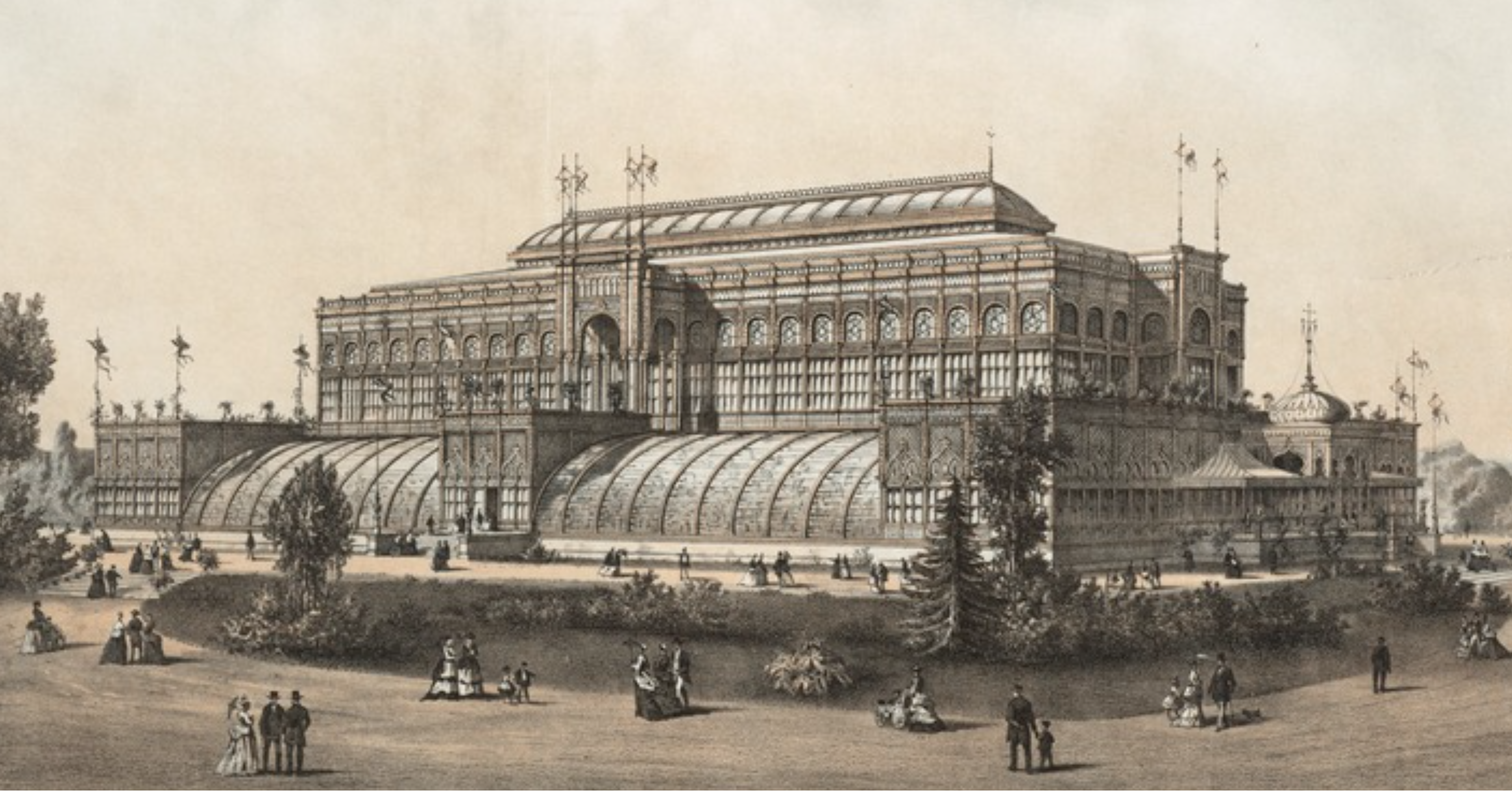
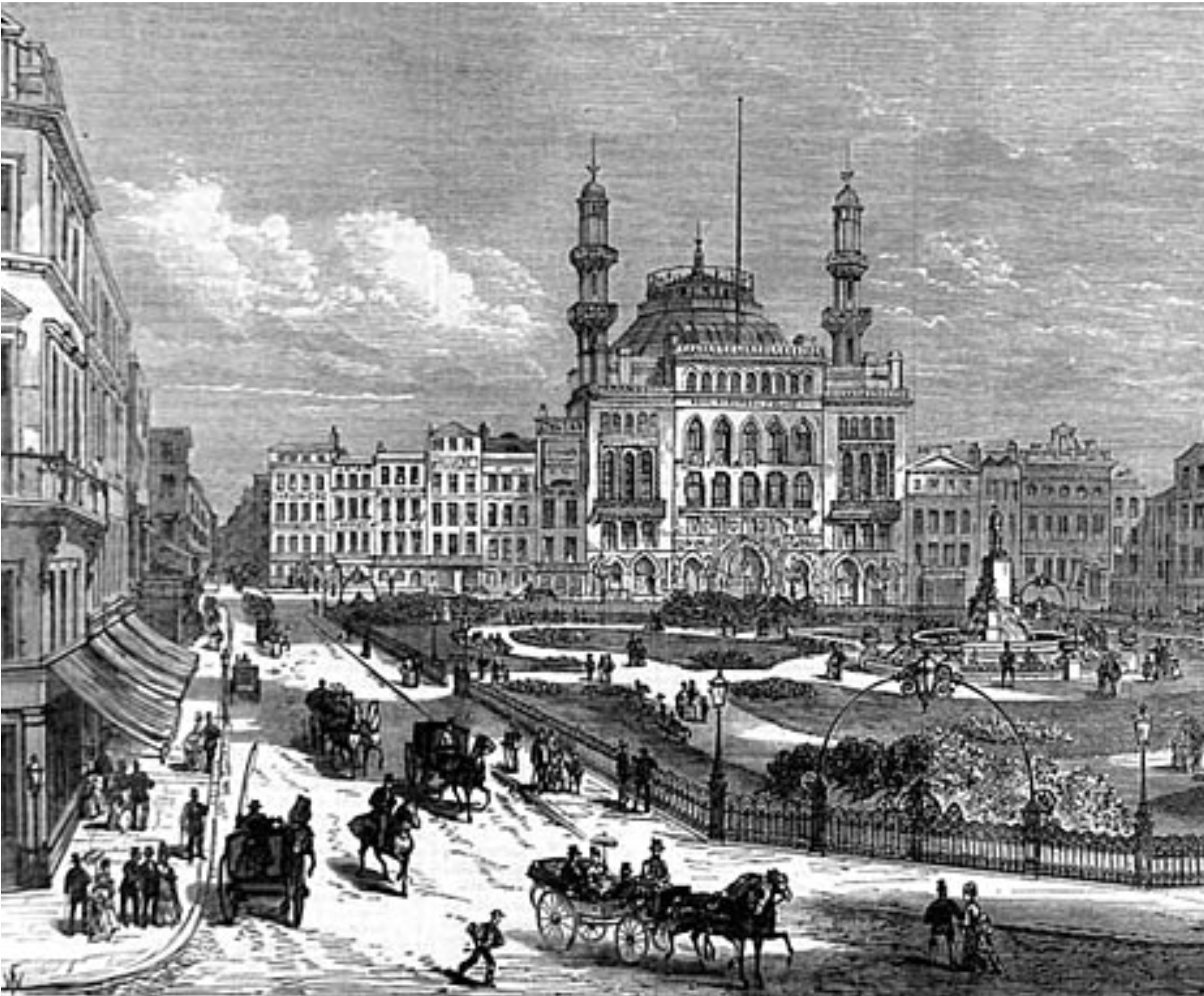
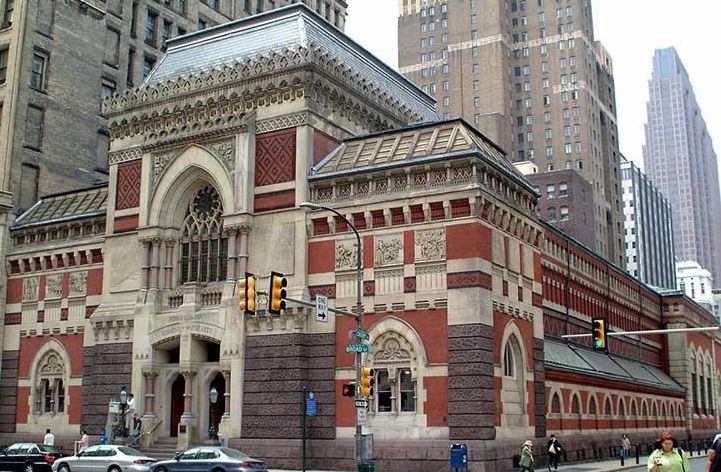
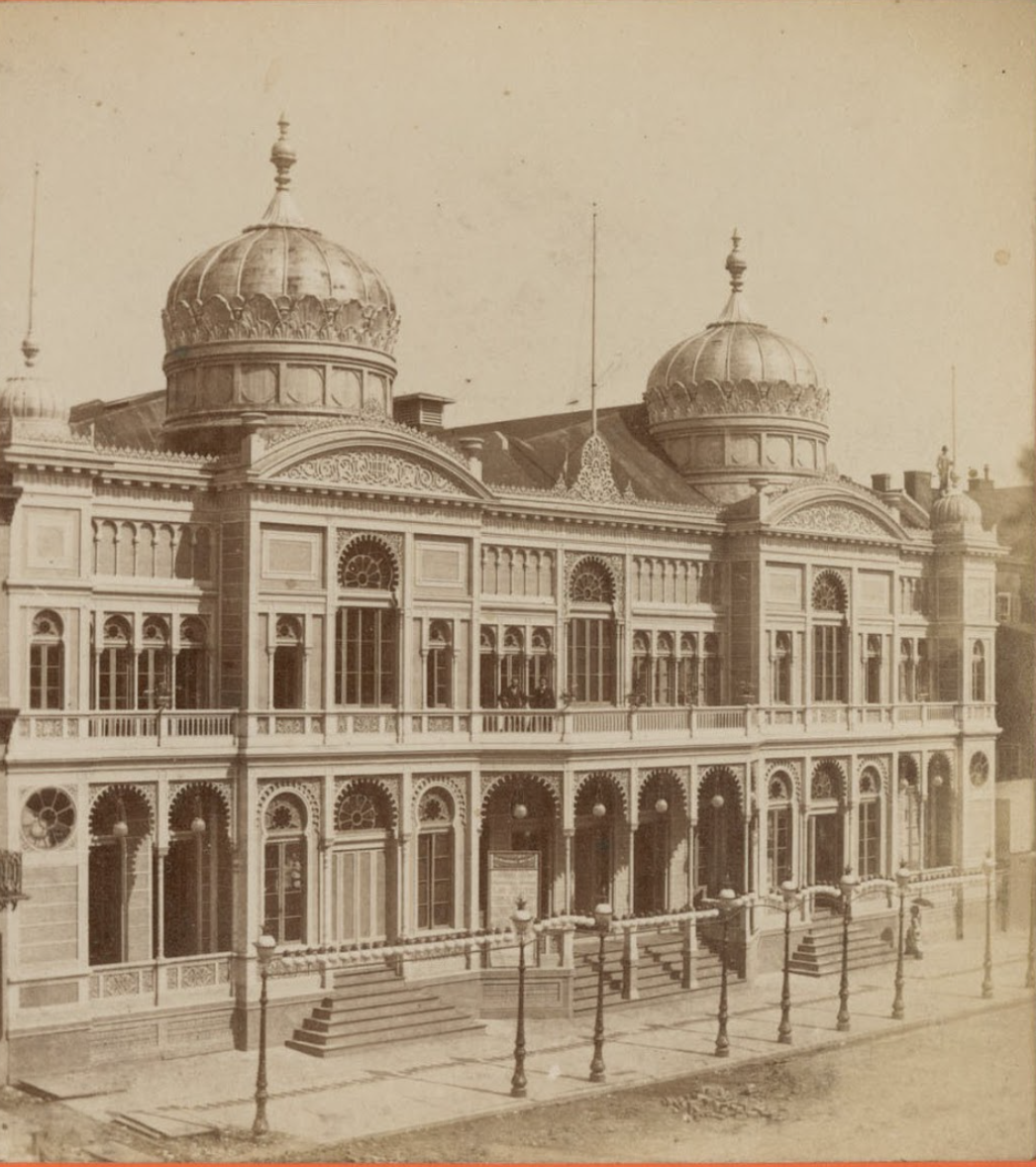
Several other examples of the exotic Moorish design of that era. (1) the Alhambra Theatre in London, (2) The Pennsylvania Academy of the Fine Arts on North Broad Street, and (3) Kiralfy's Alhambra Palace and Summer Theatre on South Broad.
1.
2.
3.
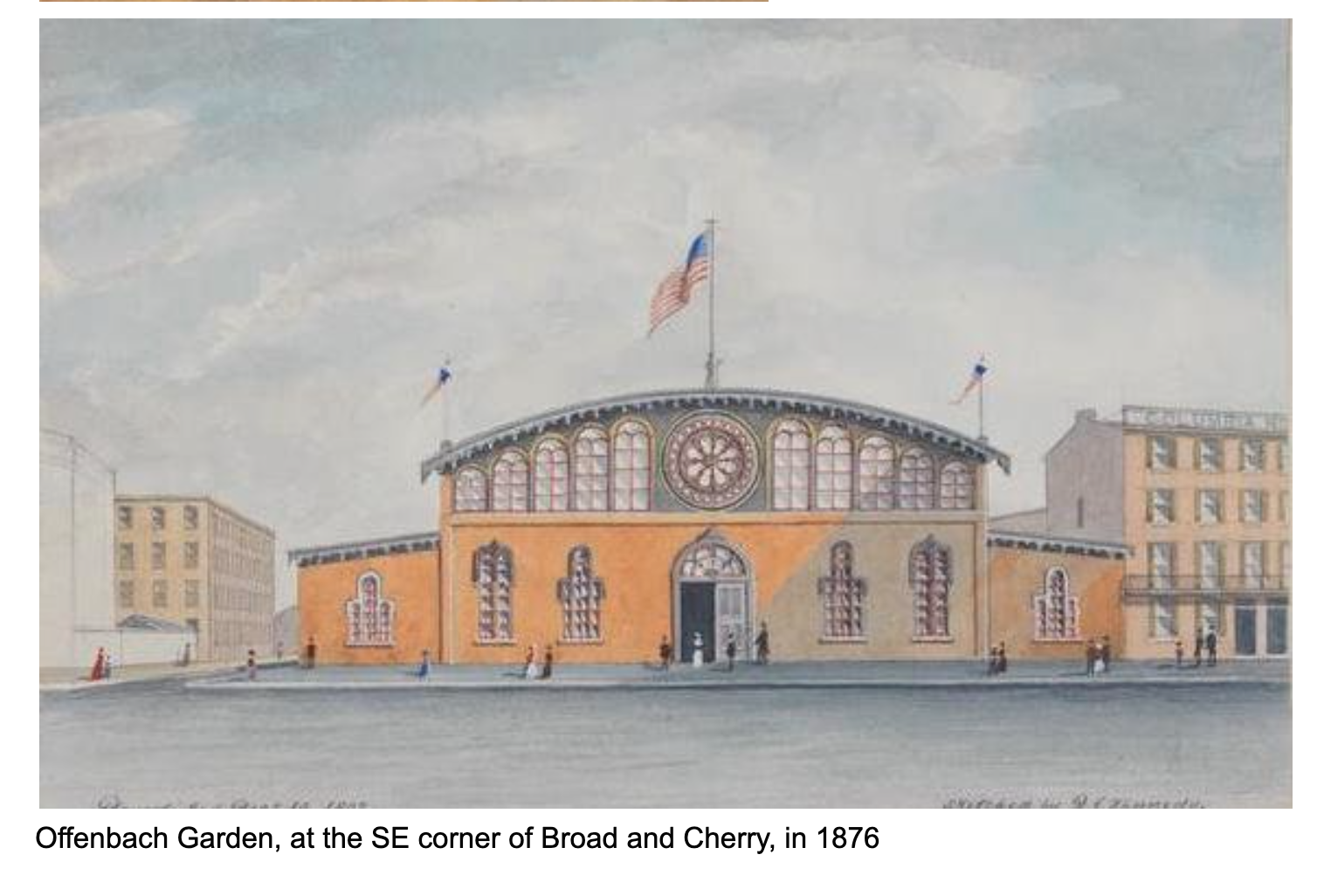
Below, the Alhambra transformed into the Broad Street Theatre in later years:

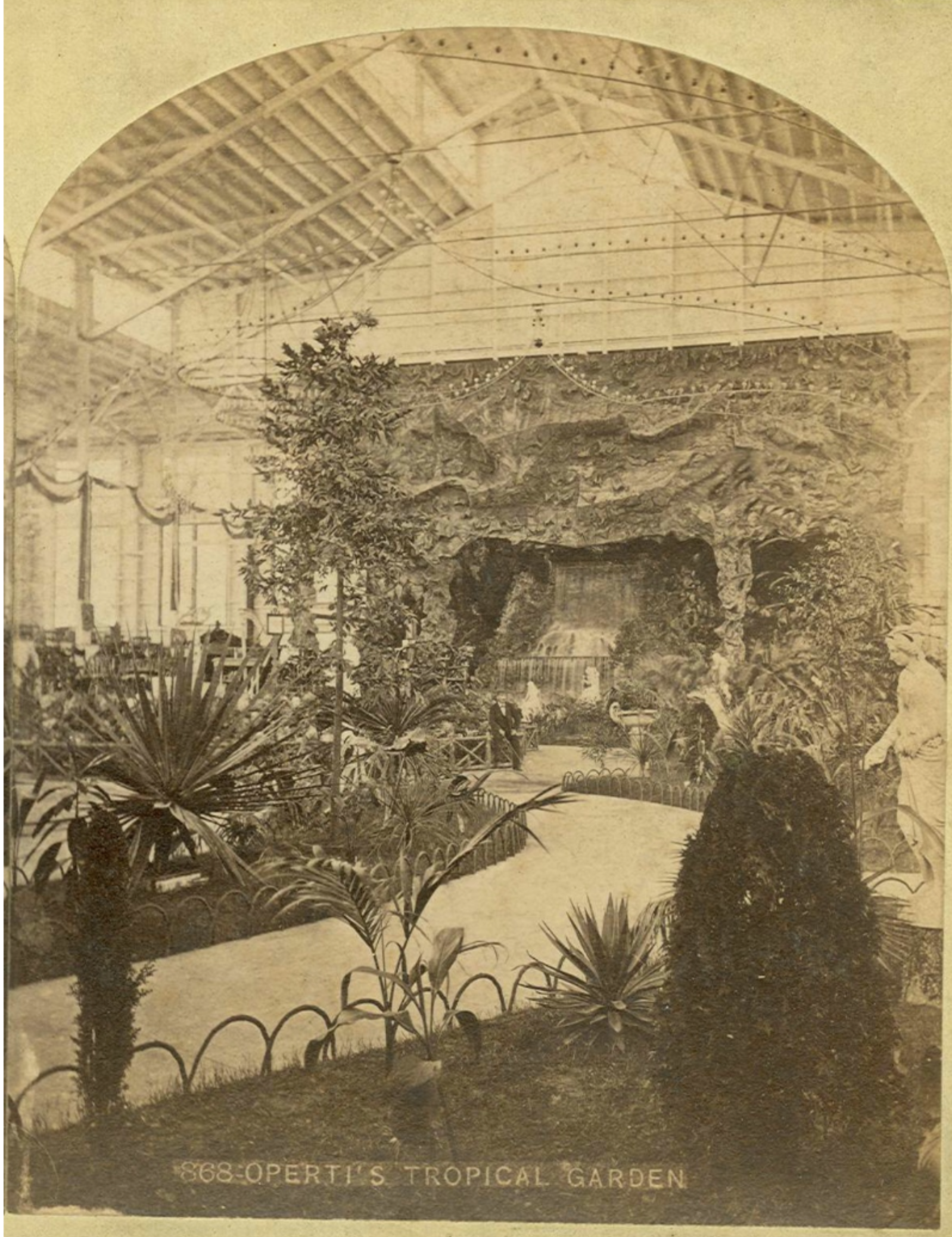
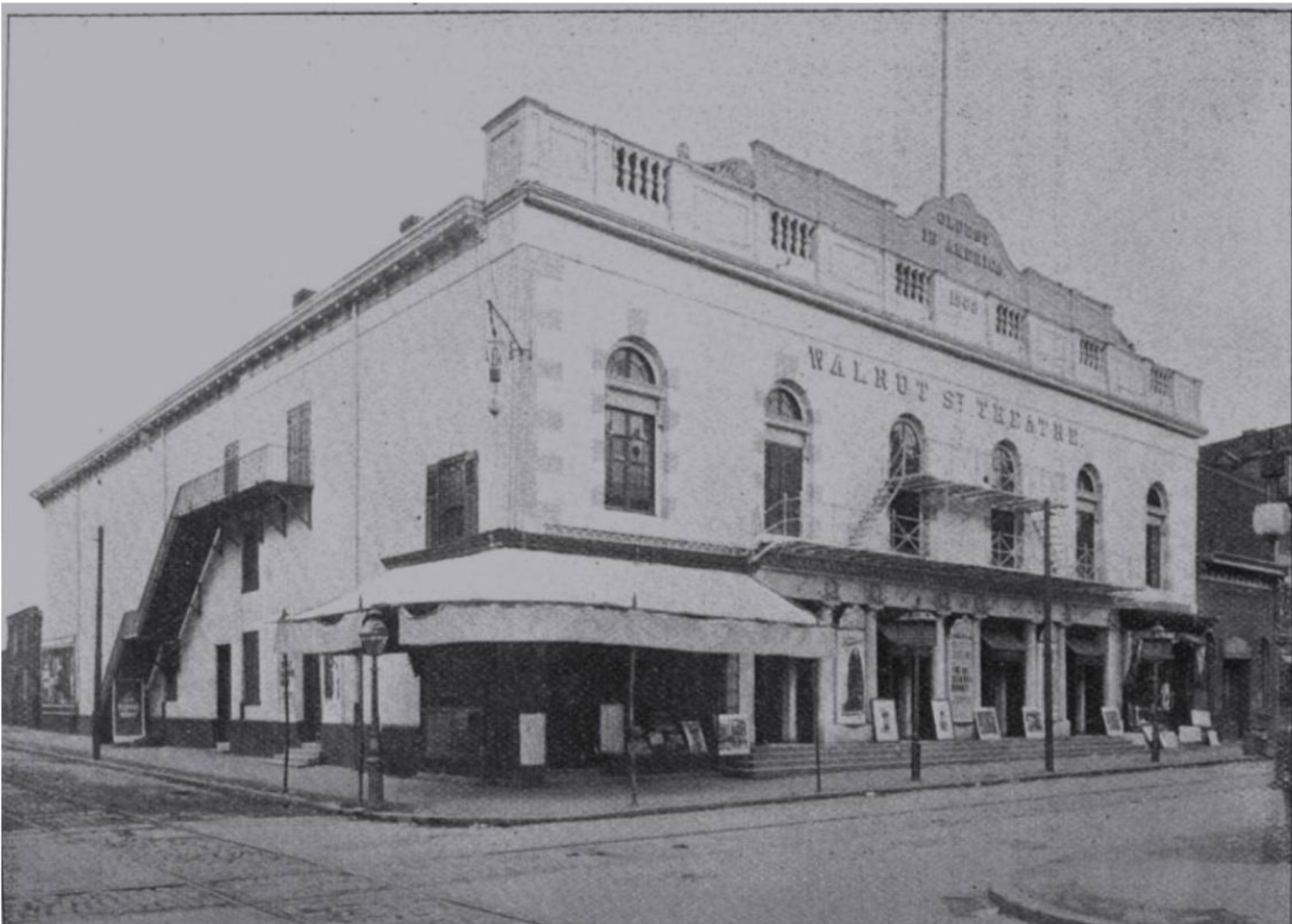
Above, Operti's Tropical Garden was an entertainment venue on the grounds of the Exposition. Below, the venerable Walnut Street Theatre, its cornice emblazoned with the words "Oldest in America" - a slogan first given to the building in July of 1876.
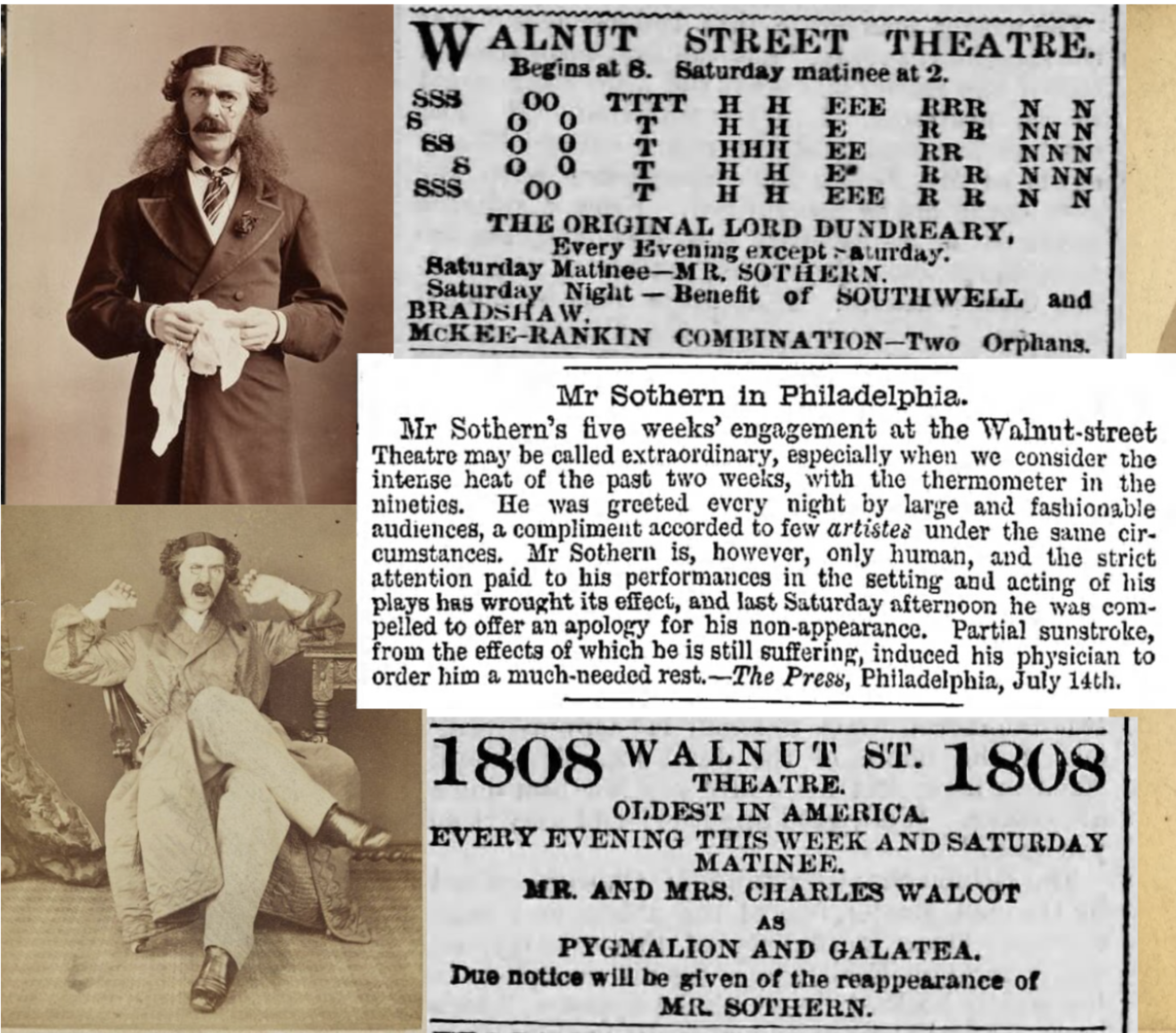
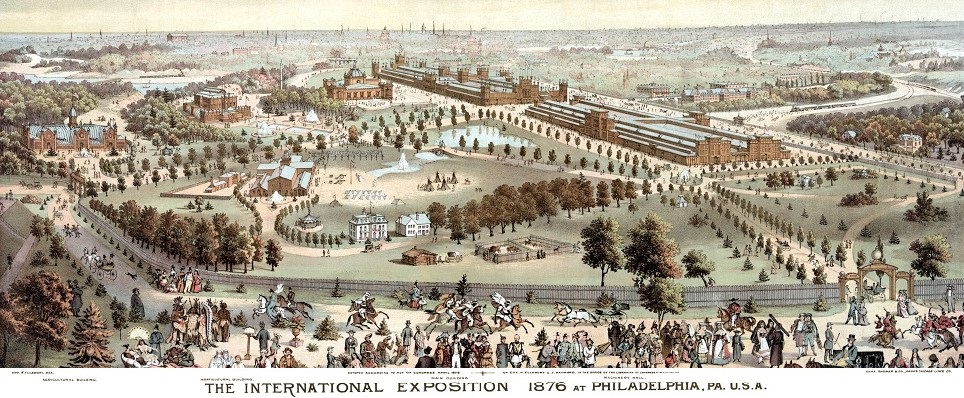
E.L. Southern and Annie Kemp Bowler were two performers who came to Philadelphia that summer, in shows meant to cater to the crowds of people flocking to the fair. Southern got a bad case of sunstroke on the fairgrounds - but poor Annie lost her life after a fall on the National Theatre's stage. At the bottom . . a final image of the entire fairgrounds.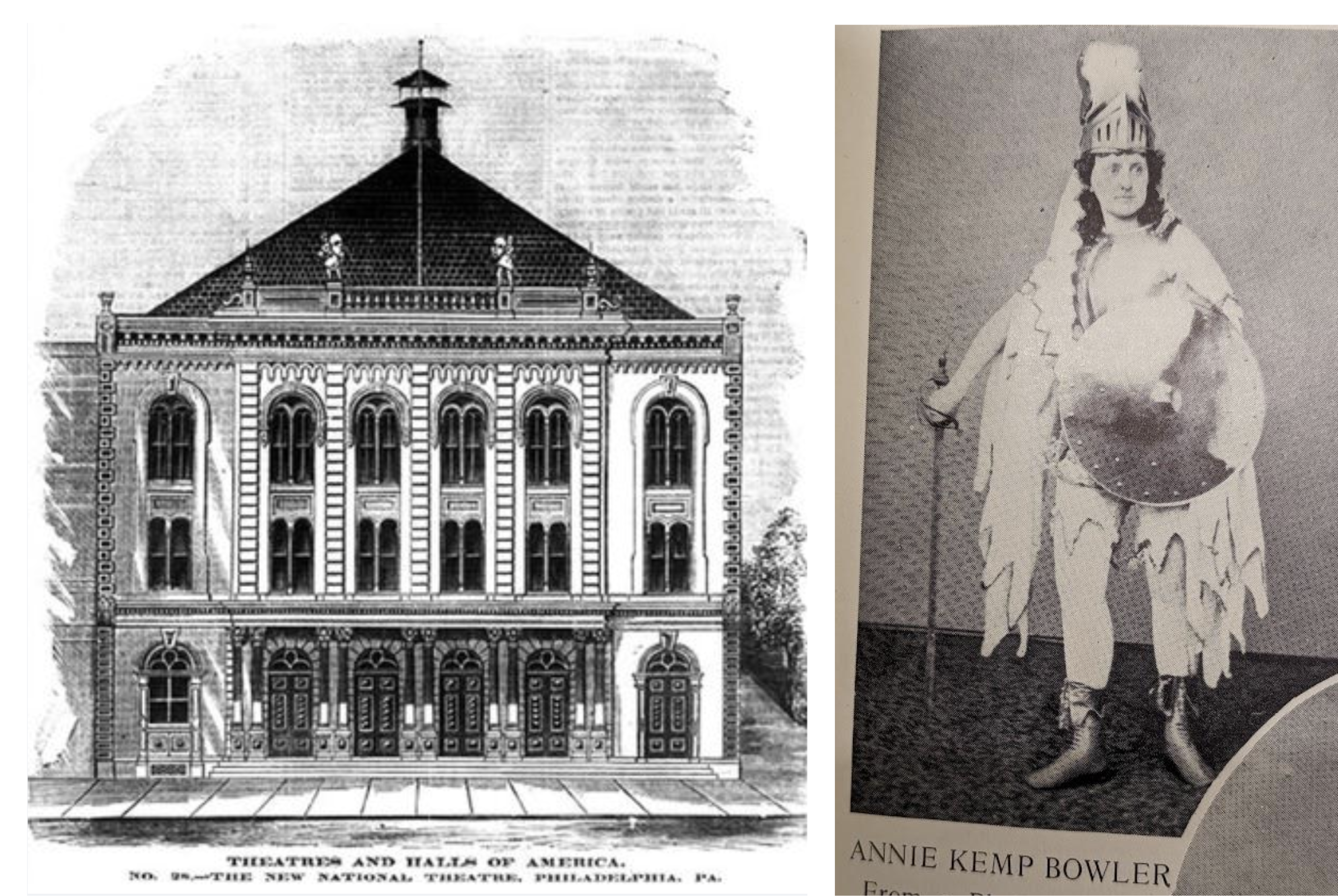
For even more information . . and great illustrations, there is an excellent online article by the Good Friend of the Podcast, Thomas Keels, on the Hidden Cities website, entitled "How World Fairs Changed the Face of Philadelphia: The 1876 Centennial". The link is HERE.
Images for Episode 135: "Whit MacLaughlin Finds His Utopia"